

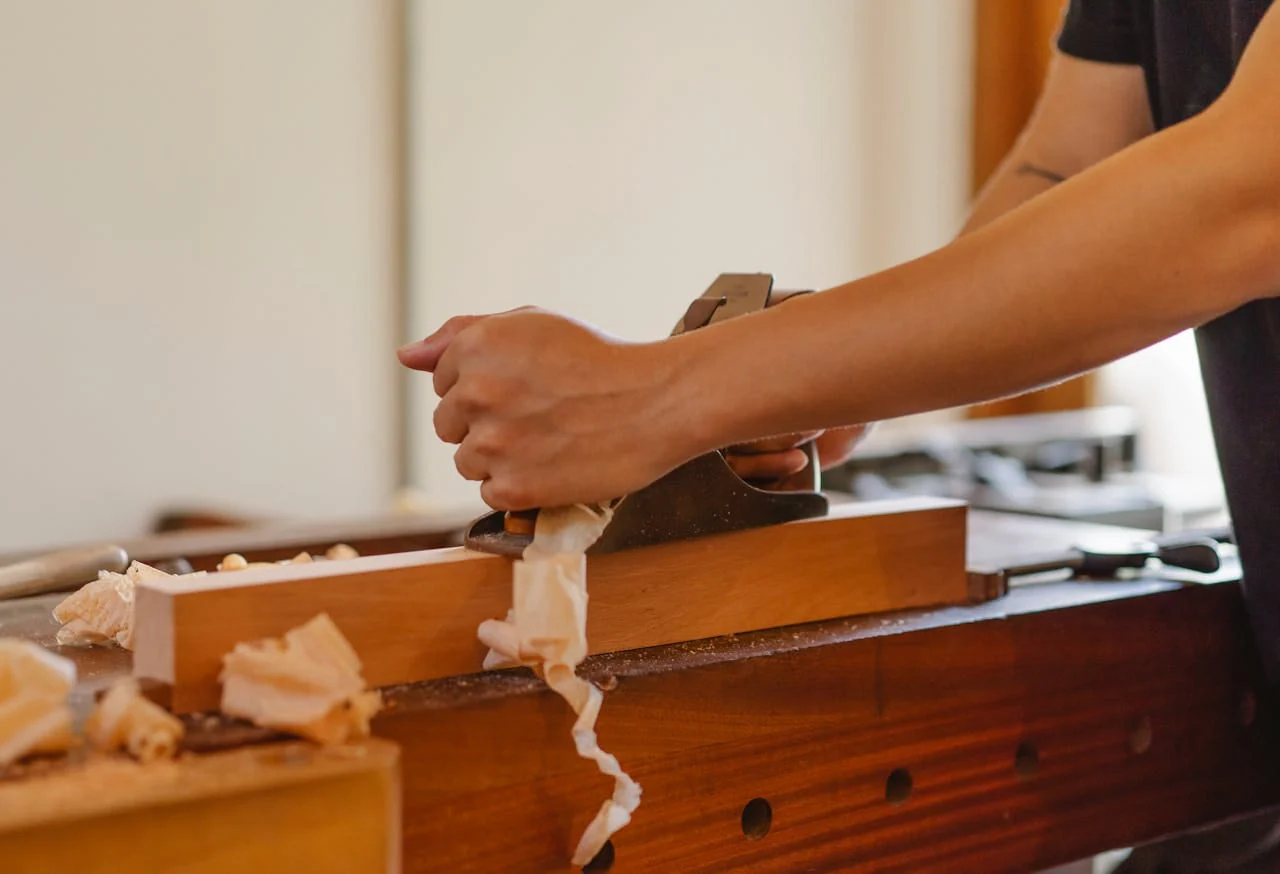
In 2026 the way we think about our homes will be changing. Many are shifting towards “fast furniture” that breaks after a couple of years and are searching for furniture in Karachi that will last for a lifetime. Although factory-made furniture is typically less expensive and more accessible, hand-finished furniture is now the most popular choice for homeowners and investors. In this post, we’re going to look at the reasons why furniture made by hand has its value much higher than items made by mass production. We will examine the quality and durability made of materials that are natural, the durability of traditional joinery techniques, the capability to restore and refinish handmade pieces, as well as the growing demand for exclusive and sustainable “heirloom” items in 2026.
The Integrity of Solid Materials
The main distinction between hand-finished and factory-made furniture is what’s inside. Factory furniture in Pakistan is usually constructed from “engineered wood” like particleboard or MDF, which is simply sawdust that has been glued together, then coated with a plastic strip that appears like wood, often used in items like a Bedroom chair set.
Hand-finished furniture typically uses solid hardwoods, such as walnut, oak or the ash. By 2026, natural substances are highly sought-after because they’re “alive.” In contrast to particleboard which expands and shatters when it is wet solid wood is extremely robust and long-lasting. Since the wood itself is highly valuable and a table that is hand-finished is worth more due to the premium quality of the wood used to construct it. As wood becomes scarcer and more costly, having the solid wood piece is comparable to having a gold-plated piece to decorate your living space.
Strength Through Traditional Joinery
- Mortise and Tenon The artists employ traditional joints that are interlocked to form puzzle pieces. These joints are stronger under pressure.
- Dovetails: When it comes to drawers, dovetail joints made by hand make sure that the top of the drawer will never slide off even after 50 years of usage.
- Mechanical Honesty: By 2026, we will call it “mechanical honesty.” Furniture stays put in place due to smart engineering, not just chemical. The strength of hand-finished furniture means that it is able to withstand being transported from home to home; this is why factories break.
The Power of Repair and Refinishing
One of the main reasons that furniture made by factories becomes less valuable is because it is not repairable. If you scratch a plastic coated desk or scratch the corners or the corner of an MDF bookshelf it is irreparable. It is impossible to sand it back since there isn’t any real wood beneath.
Hand-finished furniture is a different thing. Because it’s solid wood, it has a hand-applied finish (like wax, oil, or shellac) It is able to be repaired.
- Sanding: If your top scratches Professionals can smooth it out.
- Re-oiling It is possible to apply a fresh coating of finish every few years to make it appear fresh and new.
- Color changes Color Changes: If you decide to change your decor for your home by 2026 you could even alter the stain of your furniture made of wood.
- Because they can be altered to appear “new” again, they don’t lose their value. They aren’t “disposable” items; they are investment pieces that will last forever.
Uniqueness and “Emotional Value”
In 2026, the style of “Material Honesty” will be very well-known. The public is tired of seeing exact IKEA as well as Wayfair chairs in any home they go to. Hand-finished furniture is distinct since every tree is different in its grain pattern and every artist has their own unique style, especially in pieces like a Nest table.
This distinctiveness gives “Emotional Value.” When furniture is associated with a story, perhaps it was created by a local craftsman using recycled wood from an old barn, it becomes an antique. People will spend more money for furniture with “soul” and character. On the resale market an antique hand-crafted chair usually sells at a higher price than the original cost and factory furniture is typically sold for nearly nothing, or given away at no cost.
Sustainability and Future Demand
As we get closer to 2026, people are becoming more aware of their environmental impact. Massive production of furniture in factories generates lots of waste and pollutes. Hand-finished furniture is far more sustainable since it’s constructed to last generations.
A high-end hand-crafted table instead of five factory tables that cost a penny for 20 years is more sustainable for the earth. In the years to come will want “provenance”–proof that proves where a piece originated and the method by which it was constructed. Hand-crafted pieces typically come with a maker’s seal or an authentic certificate. The transparency of the furniture makes it more appealing to the contemporary, environmentally-conscious buyer, making sure that its value remains high.
Conclusion
Although the initial price of furniture that is hand-finished is more expensive, it’s the less expensive option in the end in the long run. Furniture manufactured by factories is considered to be a “depreciating asset,” which means that it is worthless as soon as you take it home, much like a brand new automobile. The furniture that is finished by hand is considered a “durable asset” that holds its value, or increases as the wood ages, and the workmanship becomes scarcer.
If you select the solid material, classic strength and refinishable finishes, you’re buying more than just a space to eat or relax. You are purchasing a work of artwork that will be used by your family for a long time. In 2026 real luxury isn’t about what’s “new” and “shiny,” instead, the things that are “real” and “lasting.” Hand-finished furniture is the ideal example of this transition back to a high-quality product.